

The shade may be perfect, but several hours in the wig reveals a problem with cap comfort. A second buyer likes the convincing hairline, yet would rather avoid twenty minutes of lace adjustments each morning. The unit is visually appealing, but a different buyer finds the fullness of the hair heavier than expected once it is worn.
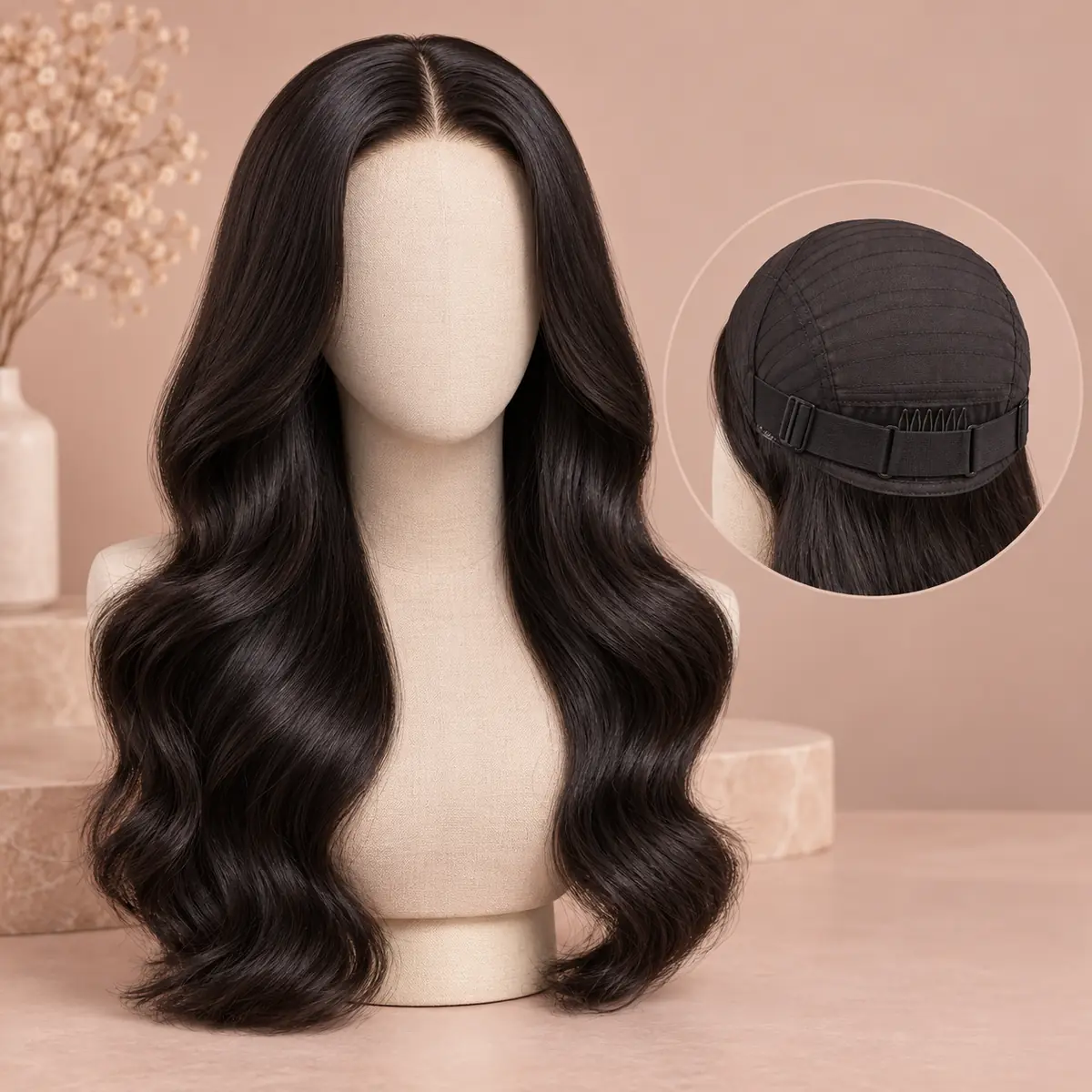
Image credit: vayorahair.com
A product development team can view such responses as something beyond reviews. They point toward opportunities to create wigs customers actually enjoy wearing.
Building a well-received range involves more than chasing a viral hairstyle. What matters is learning what customers want to feel and experience when they wear a wig.
Listen to the Problems Behind the Purchase
When wearers express concerns, they generally do not speak in factory terminology. The language customers use reflects practical priorities: comfort, convenience, appearance, and confidence. A glueless construction could be one response to feedback about making mornings easier. Complaints about an unnatural hairline could indicate that lace appearance, knot treatment, density, or parting design needs attention.
When selecting a human hair wig manufacturer China brands should look for the ability to interpret ordinary customer concerns and express them as measurable product specifications.
A request for a 22-inch body-wave wig can go beyond the basic style description: buyers can specify how the wig should feel when worn, cap fit, lace construction, hairline appearance, and finished weight. With that information, developers can work toward a better-defined goal.
Give Your Private Label Range Its Own Identity
Rather than defining their own range, many emerging brands follow the current popular offerings. The result may be a product lineup that looks almost indistinguishable from those of competing stores.
Working with a private label wig manufacturer China retailers can collaborate with allows brands to develop a more consistent product identity. A brand could focus on lightweight daily-wear wigs, premium natural-hairline designs, or ready-to-wear styles for customers who prefer little preparation. Texture, length, color, density, cap construction, and packaging should support the same customer promise. A recognizable collection gives shoppers a reason to return beyond a temporary discount.
Go Beyond the Glueless Label
Although the word “glueless” seems simple, the experience of wearing the wig depends on a range of construction details. Everything from cap sizing and adjustment features to attachment components, lace preparation, and hairline design helps determine how securely and comfortably the unit fits.
A glueless wig manufacturer China buyers choose should help clarify these requirements before production begins. A brand serving customers new to wigs, for instance, might focus on manageable density, pre-cut lace, and straightforward adjustment features. Different design customization choices might be necessary in a collection aimed at professional stylists. Neither approach is automatically better. Each serves a different customer.
How Sampling Helps Protect a Brand
Even a clear product image provides only part of the information about a wig. A buyer should assess how the cap fits and the hair moves, check the color against expectations, and confirm whether the finished construction matches the approved design. The sample stage creates an opportunity to identify discrepancies ahead of a larger order.
Repeat production makes documented specifications and quality-control procedures especially significant for a wholesale human hair wigs supplier. Even a good first production run may be hard to replicate consistently if clear references are missing.
Build a Collection That Can Grow
Through product development, private label services, sampling, specification control, and repeat-production workflows, VAYORA assists B2B wig brands, retailers, and distributors. Physical details that affect the look, fit, and feel of a wig are connected to customer expectations through this approach.
Prior to expanding a product range, brands should examine customer feedback, recognize their strongest product opportunities, and set clear approval standards. The next collection’s success may have little to do with the number of additional styles. The greater opportunity may lie in improving the styles customers already want.