

Infrastructure for water and wastewater has evolved far beyond simple gravity-based systems. Pumping systems designed by engineers are crucial to ensure that water flows safely and efficiently as communities grow and land is more difficult to develop. Pump stations that have been designed correctly can be used for everything from wastewater collection to stormwater control, potable water distribution and industrial activities.
Each pumping project is unique, with unique requirements like elevation changes in elevation, water flow, water quality, and ownership requirements. These aspects should be considered prior to the beginning of the design phase to avoid operational problems in the long run and ensure that the system is able to continue operating in the way it was designed for a long time.
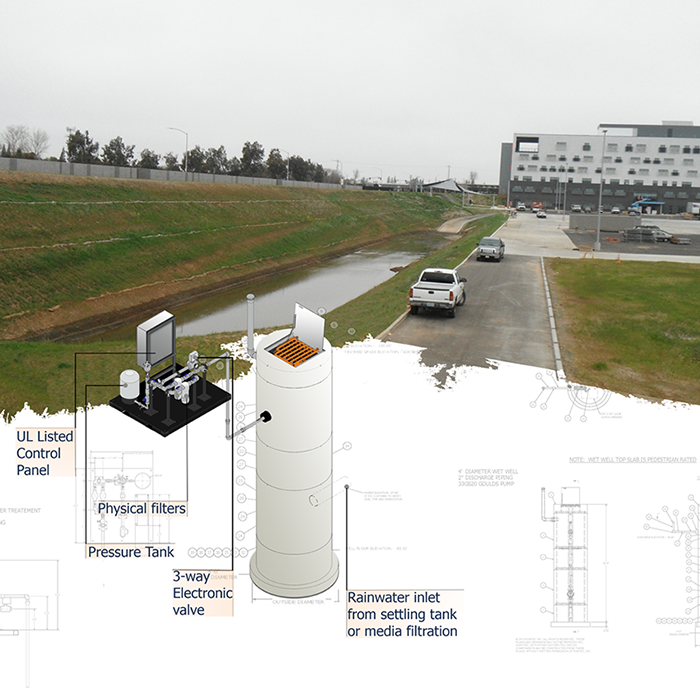
Why Package Pumping Systems Need to Be Specific to the Project
A package pumping system is designed as a complete, integrated solution rather than a collection of off-the-shelf components. Environmental regulations, site conditions, and operational goals all influence how a system is designed. Each of these facilities needs different designs for structural structures, management strategies, and pump configurations.
Engineers can make better choices by analyzing upfront flow rates or duty-points as well as estimated life-cycle costs. This can reduce the need for modifications. This helps avoid unexpected costs when construction is underway and ensures all parties are on the identical page from the beginning.
Modern Development Modern Development: Wastewater Lifting Stations
Sewer infrastructure needs to adapt to changing terrain and service area as urban areas increase. A wastewater lift station allows wastewater to be moved from lower elevations to higher point of collection and ensures reliable transportation to treatment facilities. These systems are essential in areas where gravity flow is not sufficient to meet the needs.
Wastewater lift stations should be able of handling variable flows, handle solids and corrosion resistance, and conform to regulatory requirements. Municipal systems emphasize longevity and maintenance that is easy and easy maintenance, whereas private or industrial systems might place more focus on the ability to adapt and expand. Custom engineering makes sure that pumps, controls, and structures are selected to match the particular operating environment.
Stormwater Lift Stations for Environmental Protection
The ability to manage stormwater efficiently has become more crucial as density rises and weather patterns grow more unpredictable. A well-designed lift station for stormwater can help manage runoff and detention ponds to reduce flooding. These systems support environmental protection as they direct stormwater to be treated prior to it being released into natural waters.
Stormwater pumping solutions need to work efficiently across a range of flow conditions, from mild rainfall to intense storms. When designing these stations engineers consider peak flows and seasonal fluctuations as well as the long-term viability. Flexible pump technology and material selections enable systems to be able to adapt to changing demand.
Pumping applications for Industrial as well as Clean Water
Pump stations are not only there to serve a variety of municipal needs. Industrial facilities rely on pumping systems that handle high temperature fluids, high-pressure applications, chemicals, and oily water. aggressive waste streams. Specialized knowledge and careful materials selection are essential to create designs for these environments.
Water distribution systems for commercial, residential and municipal use, such as booster stations, are maintained by water systems that are clean. The ability to maintain a constant flow and pressure is essential to maintain customer satisfaction and system reliability. Pump stations that are intended for irrigation, reclaimed water, groundwater extraction, as well as large water features must be able to combine efficiency with the durability.
Integration of Design using a Single Supplier
Coordinating several vendors for mechanical, structural electrical and control elements can add complexity and risk. The use of a single source model for supply and design reduces the complexity of the project and improves compatibility with the system. Drawing on experience across many different pumping scenarios, design teams are able to design practical solutions fast and efficiently.
Romtec Utilities uses this integrated approach for wastewater, stormwater and industrial applications, as well as clean water. In the event that Romtec Utilities is responsible for every aspect of a pumping system that includes engineering, equipment selection, structural housing and controls, projects can benefit from improved communication and a consistent process.
In today’s infrastructure landscape, success depends on pumping systems that adapt to the real-world conditions rather than generic assumptions. Early evaluation, integrated execution, and a thoughtful design will ensure that every pump station can meet the long-term needs of its owners and operators’ demands.