

The park district has approved funds for an open-air restroom. The project team has decided on the location, the building appears to be in a good location and is set to go ahead.
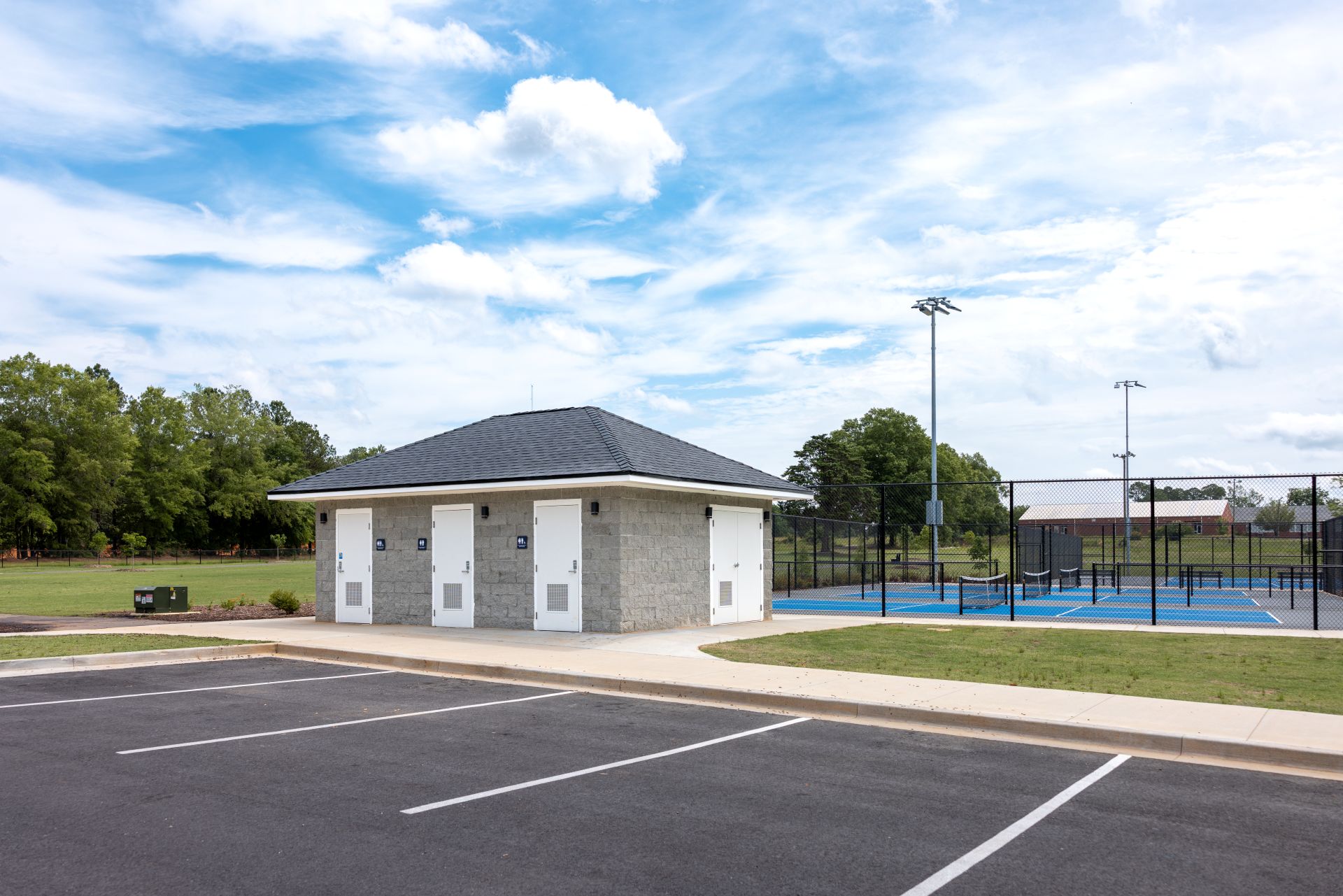
Image credit: romtec.com
The contractor will then examine the location. There is a water issue on the site proposed. Electricity connections are further away than was anticipated. Delivery vehicles may struggle to get to the installation area, and building configurations may not match the available space.
The construction project won’t be suspended if none these issues are solved. However, they can cause redesigns, more costs, and delays in construction. Developers and public agencies are able to manage a bathroom construction project more easily when the location’s requirements are considered at the beginning.
A Building Drawing Doesn’t Tell the entire story
Before selecting prefabricated park restroom buildings, project teams should understand what the surrounding property can accommodate. Installation is affected by the terrain’s slope water drainage, utilities and accessibility for construction.
A bathroom near a playground for instance, may need to be connected to the current infrastructure for sewer and water. If the existing infrastructure isn’t in place, or if it would be expensive to build new connections, then a different sanitation system may be needed.
The foundation and location of the building must also consider any applicable codes, accessibility rules as well as site-specific restrictions. It is possible that a conventional building layout looks good on paper but requires significant changes after these details have been examined.
Urban Projects have their own construction restrictions
Building sidewalk restrooms takes more than just finding the space to build a small structure. The sidewalks that are public usually have underground utilities and sidewalk furniture, pedestrian routes and entrances to buildings that are close by. Coordinating with local authorities can be required for construction projects.
The positioning of a bathroom too close to the utility corridor could hinder foundation or excavation work. Accessibility is another factor to consider. The entrance and its surrounding approach must meet all requirements applicable to the project.
Romtec provides customizable ADA single-user toilets which include choices for the locations of doors and sinks. This lets project teams prepare for public usage while also considering physical site restrictions.
Do you have no sewer? Take a look at the options
Remote recreation sites have different infrastructure issues. The trailhead could be many miles from the closest sewer which means flushing toilets aren’t feasible.
If they are located in the appropriate locations, vault toilets can be an excellent alternative to water. Instead of transferring water into the sewer system these toilets are able to collect garbage and store it inside the chamber, which has to be maintained regularly.
The decision to install vault toilets does not make it unnecessary to conduct site planning. The project still requires the right conditions for ground and access for servicing equipment along with adequate ventilation.
Romtec develops water-free vault toilets with Sweet-Smelling Technologies (SST) the technology that is designed to manage the odors through ventilation. Early selection of a sanitation system can help you save money on building renovations.
Construction coordination begins before delivery
The most popular misconception about prefabricated structures is that the majority of decision-making decisions for projects are already taken by the manufacturers. In reality the coordination of project is still essential to prepare the site, utilities connections, accessibility and local approvals. Romtec offers customizable construction kits, design help as well as other services to assist with these tasks.
The company works closely with landscape architects, project owners, and contractors to match the specifications of construction to site requirements. This approach can be especially useful when a restroom must match an existing architectural style or meet the unique requirements of a property.
By asking better questions, you create a better project
Owners must first determine the location of the restroom and the method by which construction equipment can access the building, and also the authorizations needed.
It is important to understand whether the system chosen for sanitation is able to handle the expected number of visitors as well as if the structure can be built without major infrastructure improvements.
These kinds of questions aren’t as exciting than the exterior finishes and architectural aspects, but can affect more on the project’s price and timeframe.
Bathrooms for public use that are successful don’t just finish the construction in time. It’s one in which the construction and site infrastructure and construction process as well as the purpose for which it is intended to be together. Making early decisions will ensure that the final restroom is able to serve the community more effectively.